Blackness

Being Black is a political and personal identity fostering a sense of community, pride, and resistance. It is fluid and shaped by different social contexts, blending a deep historical, cultural, and ancestral connection with lived experiences. Blackness transcends mere physical appearance, such as melanin, and involves a complex interplay of factors like ethnicity, class, gender, sexuality, and religion. It embodies self-identification and how society ascribes identity, reflecting a constant negotiation between personal and external definitions.
At its core, Blackness is intersectional, bringing together diverse experiences shaped by heritage, culture, history, and family ties.
Blackness also comes with an unspoken expectation to represent not only oneself but the entire African diaspora. It involves a shared history of survival, brilliance, and contribution deeply connected to Black communities, traditions, and culture. To be Black is to embody a collective identity, overcome adversity, and honor the legacy of ancestry while striving for progress.
About Black Scholar's Institute
Our Researchers
The affiliated members of the Black Scholars Institute are comprised of a diverse group of professors across all disciplines and with extensive research knowledge and mobilization in varying fields.


Focus Areas

Leadership
Elevate Black Leadership on Research and Innovation
Community
Facilitate collaboration and connectedness through community
Excellence
Drive Excellence in transformative teaching and pedagogy
Support Network
Develop a robust mentorship network to support the success and advancement of black scholars

Community Events
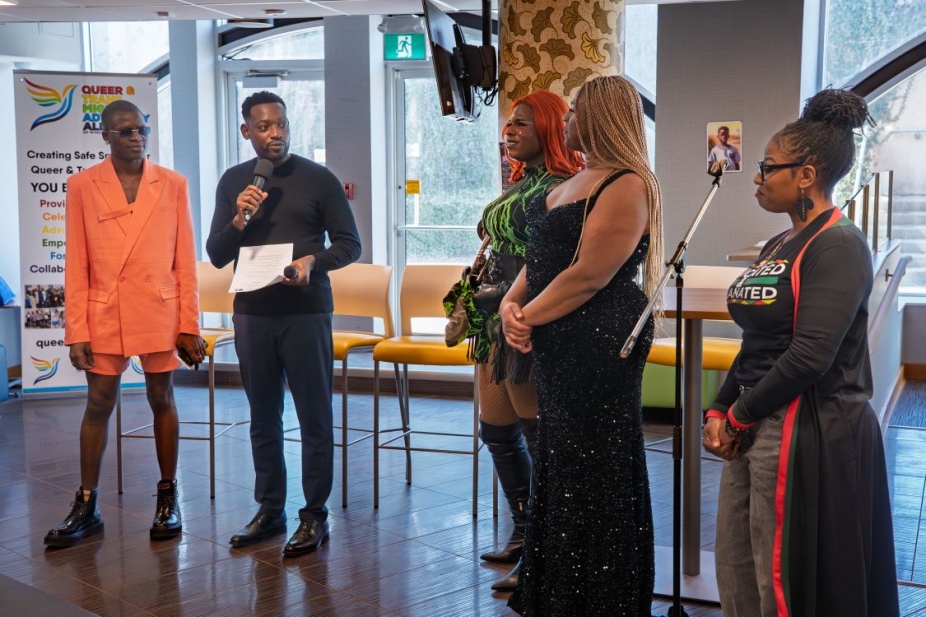
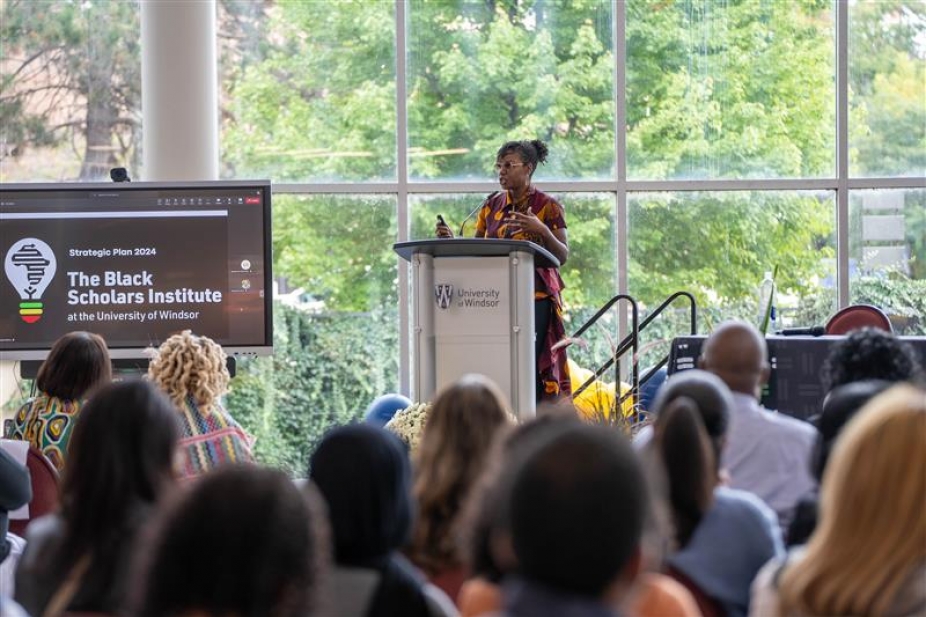
The Black Scholars Institute is proud to host events both at the University, and in the larger community, that enhance Black Research Excellence, and community collaboration.
View All Events